


Australian Cool Roofs Myths
There’s a lot of misinformation and conceptions regarding cool roofs. This includes the uneducated assumptions that people make based on no evidence or research. Let’s tackle some of the strange assumptions and beliefs of cool roofs in Australia.
Triggered from an online forum: “Hi does anyone have some figures on the difference in heat load per percentile band in Colorbond roof colours?”
Why not natural silver? More reflective than white. No?
Regardless if you think galvanised metal is stronger, natural metal finishes are actually poor in this respect. They absorb much more solar energy than you would think. So, a natural metal roof is much worse in terms of solar heating than might be generally supposed (source).
natural metal finishes are actually poor in this respect. They absorb much more solar energy than you would think.
from the Uni of Melbourne cool roofs report "The summer roof temperature profile shows a clear difference of up to approximately 30 degrees. As can be seen on the 6th January the control roof (zincalume) reaches 68°C whilst the coolest roof is 35°C – this supports the suggestion that a “normal” roof is too hot to touch whilst the CRP roofs are consistent below 40°C.
https://qbis.com.au/.../2015/08/Cool-Roofs-Vic-govt1.pdf
University of South Australia did a study and galvanised and zincalume metals are amongst the worst when it comes to low emissivity. Exposed metals (zincalume & galvanised) are poor at giving off heat (low emissivity) so they become hotter than most other materials having the same TSR. https://neotechcoatings.com/.../Cool-roofs-and-Heat...
zincalum changes colour as it oxidises. Shiny as on day of install. Mid grey a few years later.
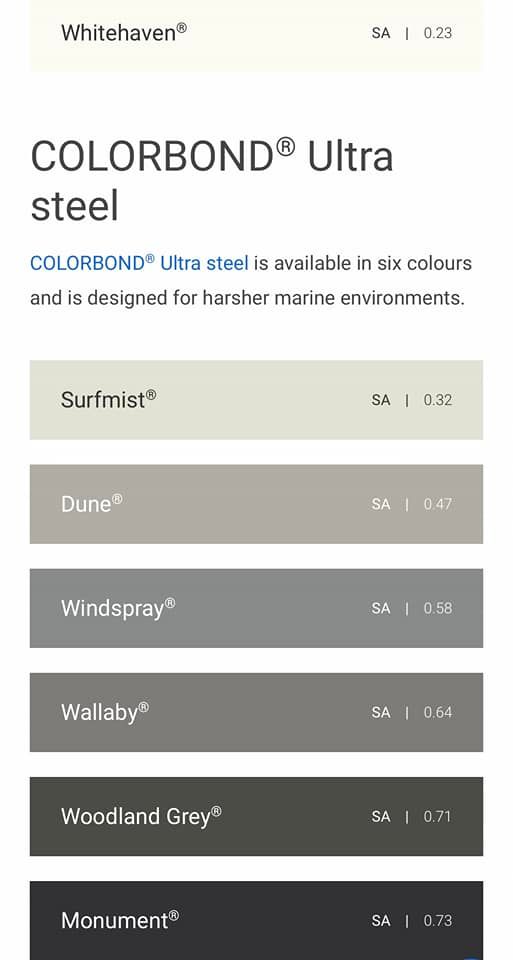
zincalume rates at about 0.46-0.59 and the cut off for Section J is <0.45. surfmist is around 0.32. I had an architect that wanted zincalume rather than surfmist for a number of buildings and it triggered about $30k of alternative verification pathway consultant fees - so it was a quick conversation 
we decided to go with zincalume to keep the traditional look of our Queenslander. It's good quality stuff, but obviously not the best when it comes to energy efficiency.
YourHome.gov.au covers all you need

This website has good information on climate zones and when to use light/dark roofs, but it still doesn't quantify by how much...: https://www.yourhome.gov.au/passive-design/design-climate.
As of 2 March, 2022, when this page was published, it is a poor website for information on cool roofs. Under Design Considerations the only comment on cool roofs is "Use light colours on roofs and walls." Considering it is acknowledged that 25-35% or heat is transferred through the roof and to say your "Australia's guide to environmentally sustainable homes" is still short on sustainability. In fact we approached YourHome.gov.au after the latest update and cool roofs aren't even on the radar.
NatHERS Modelling and cool roofs
You can model this with NatHERS assessment software. However from what I have learnt, if you have an R4 insulated roof and especially with anticon under it doesn't make too big a difference to inside house temperatures however if you have ducted aircon or anything in the roof it helps a lot. This seems hotly debated with some studies saying it matters for internals temps and some saying it doesn't and I’d love some more clarity. Definitely adds to urban heat island though.
https://www.switchyourthinking.com/smart-cities
It’s all due to conductive heat load. Depending on colour more than 53% of heat in the solar spectrum is infrared. That heat is trapped in the insulation then absorbed into the home to the coolest part of the building where you live. Consequently more air cond. use and CO2 emissions. If every home is trapping heat in the insulation this adds to the urban heat island effect. So reducing that extra 30% of heat load is very significant. Importantly even with good insulation the air conditioning ducts are smashed by heat trapped, this penetrates and causes your air to be warmer. Setting the thermostat at a cool temperature causes the air conditioner to work harder and cost more money to run.
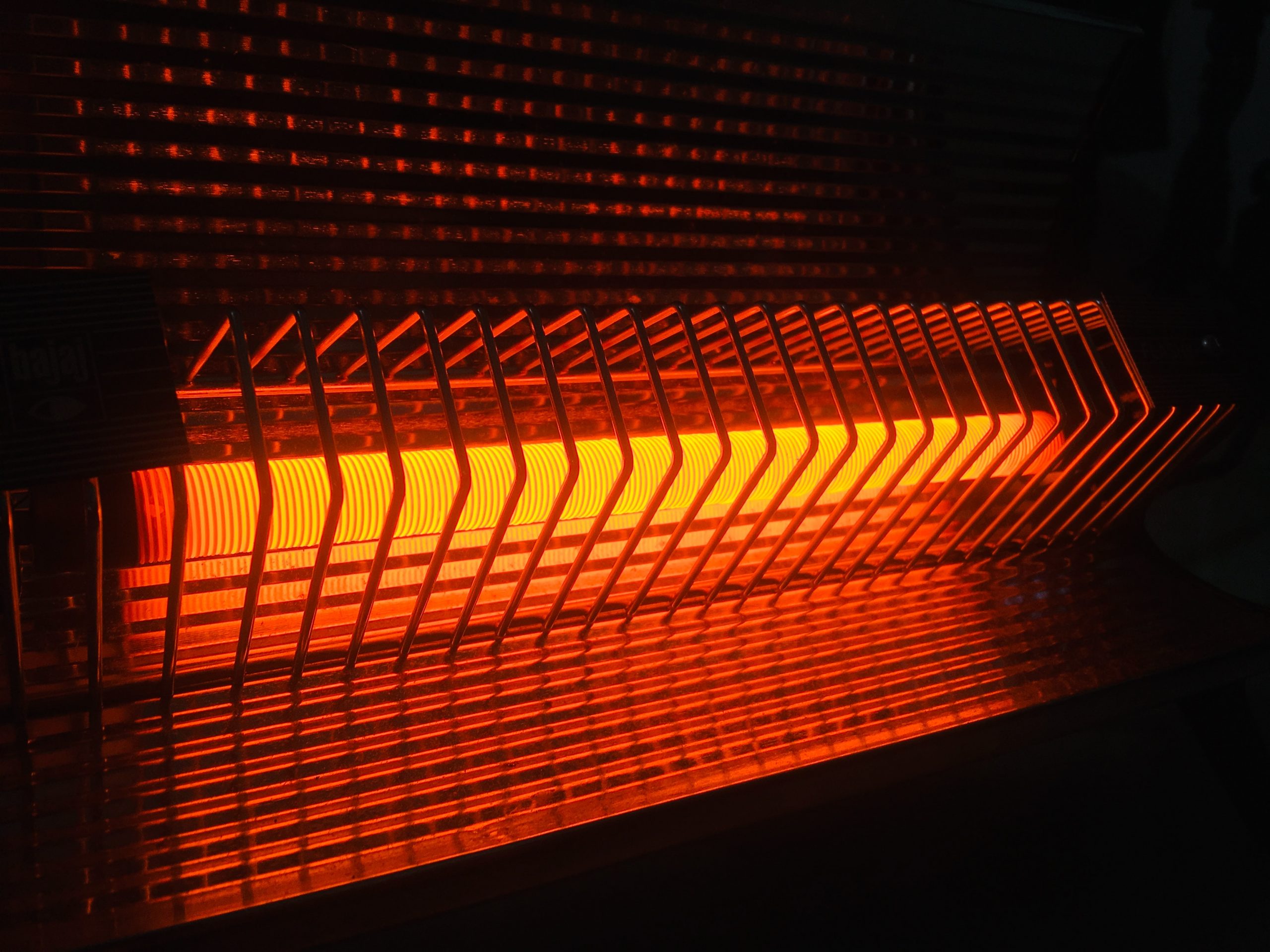
Once heat from the sun has entered our atmosphere it will be absorbed by anything facing the sky, including the cladding materials on our roofs. This can lead to a problem of overheating in our buildings, particularly during the warmer months of our relatively temperate climates. Atmospheric gases utilise purpose-built cavities to induce air movement and purge the majority of this heat before it has time to transfer into our buildings (source).
During a typical sunny day, the surface of a roof will receive at the solar peak approximately 1 kilowatt per square metre (kW/m2) of solar radiation. Depending on the roof colour, between 30% and 100% of this radiation will be absorbed. (Suehrcke, Peterson & Selby, 2008).
This is where NatHERS and YourHome fail on education and standards for cool roofs. The only mention is 'Use light colours on roofs and walls'. This means nothing to educate consumers. The latest building code released still doesn't mention cool roofs either. The key is understanding W/m2/k transfer. Solar Absorption like Solar Reflectance Index focus largely on external factors such as reflectivity and emissivity but doesn't tell you exactly how much solar energy is being transferred through the roof.
Only U values and energy transferred through is a true gauge of efficiency that can be measured. U values are utilised in the glazing industry. Colours are the absolute most basic part of the conversation.
NatHERS has no standards for quality and proven coatings and neither does the National Building Code.
Your Home responded to NEOtech Coatings in December 2021 regarding the cool roofs conversation we've raised.
"There has been major changes to materials and advancements in technology since the last edition of Your Home was released in 2013. We have endeavoured to include all the latest content in the new edition of Your Home. We have included updated information in the Green roofs and walls chapter: https://www.yourhome.gov.au/materials/green-roofs-and-walls"
We will take on your feedback about roof coatings and colours for the next edition of Your Home. In the meantime, we hope you continue to find the content at www.yourhome.gov.au of assistance.
So currently cool roofs aren't a consideration for the building code.
Dark roof in cool climate are a fallacy if you have good insulation
Not even an argument. The concept of insulation as a conductive heat absorber means that heat is transferred through the insulation once it hits heat flux...this adds more cost to your cooling, particularly at night due to thermal inertia, slows the release of heat out of the home from warm building materials.
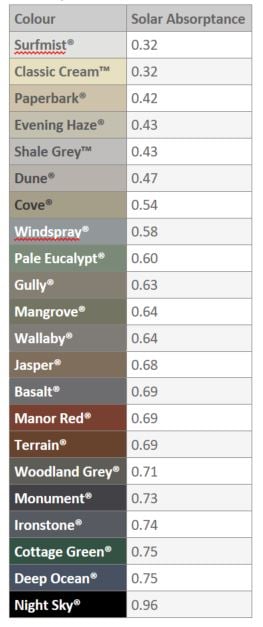
Basically the Yourhome website is saying that every climate zone in Australia apart from Alpine regions should have light coloured roofs, and that means solar absorptance under 45.
This is where NatHERS and YourHome fail on education and standards for cool roofs. The only mention is 'Use light colours on roofs and walls'.
The Fallacy of the Cool Roof Winter Penalty
People love a good rumour…and then it becomes ‘their truth’. We did our research on the fallacy of the old ‘winter penalty’ for cool roofs and discovered its all made up.
Leading organisations globally including Princeton University, University of Reading, Roofing Magazine, USA Department of Energy, South Australian Government and Lawrence Berkeley National Laboratory along with a myriad of other’s have all stated that the ‘winter penalty’ is minimal over the benefits of summer gains.
Canberra, cool temperate
We're building on small blocks so not able to maximise garden space unfortunately. The climate forecasts for 20 years for Canberra show decreased frosts and increased heat. Probably future-proofing with light roofs will work for our builds in Canberra.
The darker the roof colour - the hotter the roof cavity
Answer: In climate zones that are heating-dominant, lighter roofs will slightly increase the amount of space conditioning energy required. However, if there is sufficient ceiling insulation, the difference is negligible. Regardless of the climate zone, cool roofs are good to mitigate the urban heat-island effect. Light-coloured roofs will accumulate lichen much more because they don't get so hot.
I recommend cool-roof treatments to clients in situations where: 1) there is a summertime thermal comfort problem; and 2) fixing the ceiling insulation isn't feasible.
Absorbing only 1/3 of the heat is pretty good
Even a solar absorptance of 0.32 isn't very good. That means that about one the sun's energy is still going to heat the house and surrounding air. Guidelines for commercial buildings are for less than 0.45. Clearly there needs to be minimum requirements brought in. At the moment it is just fashion over function, the end result is higher costs to the hip pocket and the environment.
.32 could be a lot better. The problem is that absolute white has the best visual and perhaps UV solar heat Reflectance. Still not blocking the heat load from infrared which is more than half the total heat. Black absorbs 100% of the heat. This is the measurement of emissivity.Nathers and the building code have done a poor job of both regulating in favour of cool roofs and education about cool roofs. Governments are still dithering about the same issue yet the rest of the world is making positive moves. The ultimate test is on a 30C day a dark car is 65C, white car is 45C why is the white still hot? Heat load! Infrared heat is loaded into the metal and transferred. The same with a roof and walls. There are genuine coatings that block most of the heat keeping the substrate near ambient. There are several cool coatings in Australia that have low SA ratings between .05 and .10.
Does roof colour really make a difference?
https://www.lighthouseteam.com.au/journal/does-roof-colour-really-make-a-difference
The article states:
In a well-designed, and properly insulated home (where there are very few ceiling penetrations or insulation gaps and little opportunity for air leakage) in Canberra, roof colour makes very little difference - in winter or summer. We do light, medium and high solar absorptance roofs. Jenny’s own roof is Colorbond ‘Deep Ocean’ which is classed as dark with a high solar absorptance of 0.75.
In Canberra’s cool temperate climate (climate zone 7 of the NCC, climate zone 24 in NatHERS) which, despite climate change, is still heavily dominated by heating requirements, it is actually ever so slightly beneficial at the house level to have a darker roof. Another thing that people don't think about is that lighter roofs actually get colder in the depths of winter making condensation underneath them more likely.
There's an interesting video by Dr Mark Dewsbery on condensation in roof spaces. Overwhelmingly the issue is with internal issues regarding sarking and compressed insulation with no air gaps. While there is a reference to a lower solar absorption roof, Mark constantly refers to buildings that are built to proper standards to reduce condensation and all the examples show have incorrect standards. A good cool roof should provide stable and reduced transfer of rapid heat from outside to inside reducing the need for cold surfaces to expand so quickly they condensate. Not something many cool surface people talk about. The issue of cool roofing is much more than colour but understanding how to manage rapid temperature changes from inside to out and outside to in keeping the substrates warming slowly.
RE ".....While people think dark colours look better that’s about subjective fashion....." This fashion will pass in 5 or 10 years .....
According to the EPA, a high solar reflectance—or albedo—is the most important characteristic of a cool roof as it helps to reflect sunlight and heat away from a building, reducing roof temperatures. A high thermal emittance also plays a role, particularly in climates that are warm and sunny. Together, these properties help roofs to absorb less heat and stay up to 28–33°C cooler than conventional materials during peak summer weather. (source) https://www.epa.gov/heatislands/using-cool-roofs-reduce-heat-islands
Winter fallacy
Dark roof in cool climate may be a fallacy if you have good insulation
Lots of documents from the USA
I found a lot of US material is really helpful for innovative building, I like how that document takes into account both the solar absorptance and reflectance so applies a different rating to tiles over sheet metal.
Dark roofs in Perth
I have very dark tiled roof. Just recently put a thermometer sensor into the roof space. On the hottest day in Perth in a past 2 weeks, it only got about 10C above outside temperature.
dual glazed, wall insulation (wool) and plenty of roof insulation.There are still hot spots in a ceiling around the cornices - no insulation there (still on the to-do list). Just wish the house was a bit cooler in general - 28C is a bit warm in the evenings.
Also in Perth. Temperature room space matches external air temperature due to light coloured tin roof and 60mm Anticon under the tin. Benefits of Insulating your Metal Roof.
COLORBOND® Coolmax® steel
COLORBOND® Coolmax® steel is specifically designed to provide and maintain high solar reflectance [Nominal Solar Reflectance= 0.77. Solar Reflectance Index (SRI) = 95, 3-year-aged SRI = 921] whilst delivering the same quality and durability that you’ve come to expect from COLORBOND® steel.
Stocklands and BlueScope engaged consultants and academics to investigate both the micro-climate above roofs and the second order impacts on building cooling loads. These included Lend Lease Sustainable Design Manager and member of The Australian Institute of Refrigeration Air Conditioning and Heating (AIRAH), Mr Graham Carter, and University of Wollongong Associate Professor, Dr Buyung Kosasih.
“We seek ways to make our assets more resilient by minimising heat gain through the building envelope, to maintain indoor comfort and reduce energy demand. The outcome of this research revealed that industry simulation tools only account for 25 to 50 per cent of the full energy benefit of cool roofs for larger roofs”
The Australian Institute of Refrigeration Air Conditioning and Heating (AIRAH), Mr Graham Carter
They observe that cool roof energy savings for larger roofs, like those common for industrial facilities, shopping centres and airports, are likely to have been greater than forecast using common energy simulation tools. “The outcome of this research revealed that industry simulation tools only account for 25 to 50 per cent of the full energy benefit of cool roofs for larger roofs.”
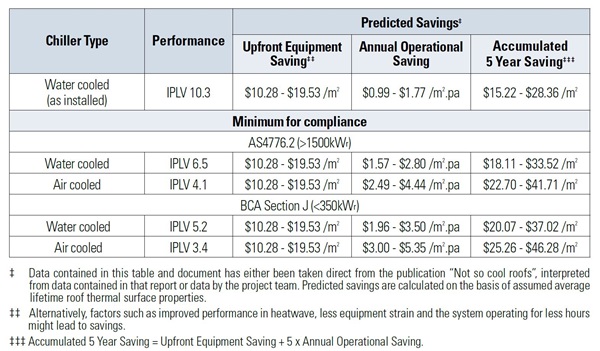
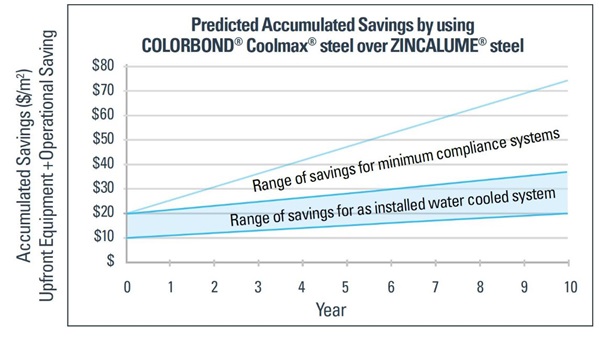
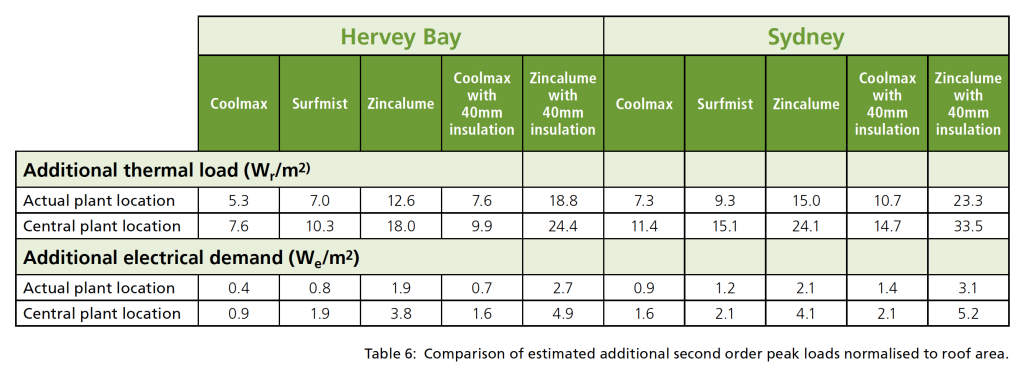
Interesting study between Colorbond Coolmax and Zincalume...the numbers show the savings. If you add in a quality cool roof coating the less energy transfer the better for cooling costs. For the shopping centre roof studied here the value of the higher solar reflectance was found to be 35–40% higher than the NCC provision at 7.8 R-Value per ΔRS for Sydney and 8.8 R-Value for Hervey Bay. (NCC = National Construction Code). Zincalume costs at least 2.5 times to keep cool than a cool roof.
R Ratings for Australia lower for cool roofs
The Australian Energy Foundation state: The thickness of insulation is measured in ‘R-values’. The thicker the insulation, the larger the R value. The minimum amount of insulation you need is set by the Building Code of Australia and differs per climate zone. The following table shows the recommended amount of insulation (in R-values) for each climate zone.

The question beckons, if cool roofs have minimal impact then why would the Building Code of Australia recommend less insulation for homes with light coloured roofs? Because cool roofs are cooler than dark roofs. R4.1 is about 200mm thick and R5.1 is 240mm.
Basically the Yourhome website is saying that every climate zone in Australia apart from Alpine regions should have light coloured roofs, and that means solar absorptance under 45.
Mould and Moss
Zincalume. I have 10 year old white colourbond, significant moss coverage, last week cleaned at considerable cost. The zincalume carport which is possibly 25 years old or more, not a green spore to be seen. Colourbond is for fashion conscious, zincalume better long term roofing iron.
Moss, mould and mildew grows in locations where it can permeate through the barrier. White roofs that have a permeable coating will allow moss to grow. Also if the roof isn't has hot lichen can grow.
How do these compare to Zincalume?
Regardless if you think galvanised metal is stronger, natural metal finishes are actually poor in this respect. They absorb much more solar energy than you would think. So, a natural metal roof is much worse in terms of solar heating than might be generally supposed (source).
Brightness
What about your poor neighbours when the sun shines on it?
This is an interesting comment.
Dark roofs and thermometer readings
I have very dark tiled roof. Just recently put a thermometer sensor into the roof space. On the hottest day in Perth in a past 2 weeks, it only got about 10C above outside temperature.
Vague comments without actual data readings that calculate. Does the roof have sarking behind the tiles for example. Also in Perth. Temperature room space matches external air temperature due to light coloured tin roof and 60mm Anticon under the tin.
Went to a seminar
I went to a recent seminar which quoted research to say roof colour counted for more affect on heat in the home. A dark roof is bad and overwhelmed insulation. Why not pick a light colour? It will look good.
Air tight ceilings
Apparently if you have a properly insulated and airtight ceiling it makes little difference to inside temps or energy usage.
The reality is that all solar radiation is converted to heat when absorbed by a material, unless the material is a solar cell. As it relates to the spectrum diagram above, the total area depicted in red is watts per square metre of solar radiation. There is about the same amount of that solar radiation in the visible band as in the near infra-red band. The apparent colour of an object tells you what it will absorb in the visible band, but not in the infra-red band.
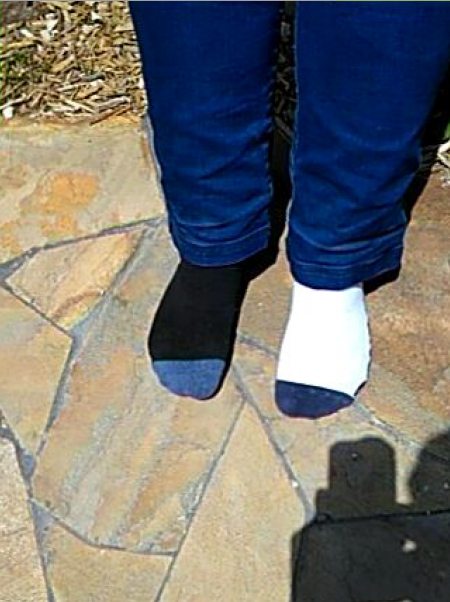

A simple experiment above with a thermal imaging camera captures this direct solar heating of black materials compared with white materials. In this experiment, socks were used as the material, and the difference in solar heating could easily be seen.
https://newenergythinking.com/2021/11/26/debunking-a-myth-about-solar-radiation
Urban Heat Island
this link supports the idea that dark roof colours add a lot more heating load to a house. If you have great insulation and airtight then you might not feel any difference but you are adding to the heating the atmosphere. Urban Heat Island is where cities are 3°C or more warmer due to materials and colours.
you are also adding a bit to global warming by absorbing heat and emitting infra red out, which gets trapped by co2.
People complain all the time about everything. Long term Surfmist would be better for the home you’re in, reduce Urban Heat Island effects. save you energy and help reduce global CO2 emissions. If I was about to invest into a roof and future proof I know what I’d be doing The neighbours will get over it quickly but you have to live under it and pay the price for a very long time.
Also need to consider the "urban heat island effect". Dr. Gloria Pignatta (UNSW) gave a talk about it in 2019. Suggest you ask her opinion on colour of roof.g.pignatta@unsw.edu.au.
Natural colours are better
Green the natural canopy is green. Cant beat natures colour choice or terracotta , Hot climates have terracotta.Red pigment fades first. youll have to repaint more often. Brunswick green trim doesnt fade much.what colour are airplanes painted White or silver. They have to go through many temperature zones.
The Architect
The current debate about roofing colour is judging the book by its cover.For purpose of energy conservation (and of course the comfort of the occupants), it's the energy transfer through all layers of the thermal envelope (like the roof for example) that matters.You need to address the entire roof assembly, not just one property of one layer.Under-roof ventilation plays a big part in removing heat build up.Also, recognize that there are multiple forms of heat transfer at play - convection, radiation, conduction.Mostly it's the thermal insulation that determines how much summer/solar heat is let into the building.The focus of the debate should be on achieving energy efficiency and not roof colour.Banning dark roofs is a misguided overkill.P.s. i am an architect, preparing detailed energy modelling via Passive House software for all of my projects. One Passive House project in VIC has a low pitch black metal roof with a minimum of 45mm battened ventilation layer and appropriate thermal insulation - the solar absortivity and reflectance of material were entered into the software. The effect is minor.
Local heat islands are a problem and directly attributable to the built environment.I know of this problem and have been following the research on his over the years.Densification combined with loss of vegetation are biting us back in the bum.
But make life easier by choosing a lighter coloured roof in the first place.Architects…. should choose function over form!!!
International Cool Roof Challenges
Cool roof challenges are global and important. Without the luxury of choices with design, building materials, air conditioning and blower door tests they are the pinnacle choice for cooling local environments in an affordable manner.
If you're not in a high density area should cool roofs be considered?
That particular project was near the coast line in a low density development area - presumably the sea breezes and vegetation there prevent local heat buildup? It was not considered on this particular project.Nevertheless you are right - it should be a consideration in how we humans settle on earth. The urban heat island effect was overlooked in previous decades.It is worth mentioning it repeatedly (have done it previously in this forum). This is the right post to add this urbanization concern.
that would be my biggest concern. Think about roads and how much heat they “create” then imagine if all the houses on either side had black roofs. Light colours and plant some trees over the roads.
It's just too complex
It very much depends on what weather conditions the measurements are made under. During a heatwave with particularly high temperatures, it makes a large difference as the heat island around the house builds over multiple days of extreme heat. Under these conditions the insulation becomes "saturated", so any additional heat is transferred to the inside of the house more quickly. Think about this, if the overnight temperature stays above 30C, then the parts of the building outside of the living spaces won't have significantly cooled and will be above 30C before additional heat of the next day is added to the building. In many parts of Australia it is the periods of extreme heat over consecutive days when our houses and our comfort are tested the most.
It’s all due to conductive heat load. Depending on colour more than 53% of heat in the solar spectrum is infrared. That heat is trapped in the insulation then absorbed into the home to the coolest part of the building where you live. Consequently more air cond. use and CO2 emissions. If every home is trapping heat in the insulation this adds to the urban heat island effect. So reducing that extra 30% of heat load is very significant.
Shiny metal like a mirror and better
Very surprised as I considered shiny metal as more mirror-like (therefore more reflective) than white. Any dark colours should be banned, obviously, if we expect the most efficiency.
Some estates and councils won’t allow it either
Yes and I think it has something to do with the gal degrading over time and giving up its zinc to the environment negatively. Shame because gal is aesthetically more pleasing.
Is there a Green Star Homes Framework?
Green Star Homes framework includes these benchmarks for mitigating urban heat island impact (which can contribute to your cooling load). The Green Building Council of Australia (GBCA) is Australia’s leading authority on sustainable buildings and communities. The GBCA was established in 2002 to develop a sustainable property industry in Australia and drive the adoption of sustainable practices. Today, the GBCA operatesAustralia’s only national voluntary, comprehensive sustainability rating system for the built
environment – Green Star.
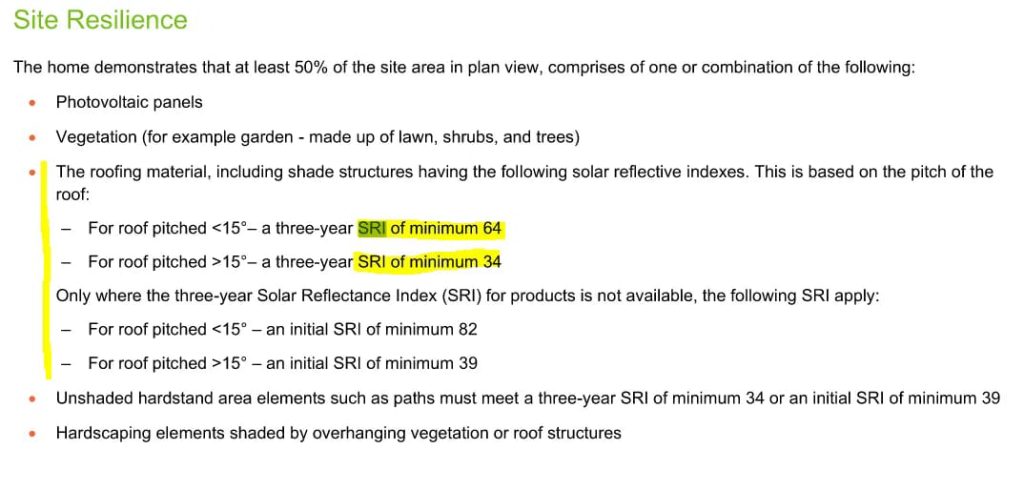

Solar Reflectance Index (SRI)
The Solar Reflectance Index (SRI) is a composite measure of a material’s reflectance and emittance. It is calculated in accordance with ASTM E1980-11. To calculate the SRI, the material or product’s emittance values and total solar reflectance must be known. Material suppliers often provide the SRI data for products. There are a number of online calculators following ASTM standard E1980-11 that can be used. An initial SRI refers to the SRI of a new product. Over time the SRI of a product or surface will be reduced due to the material’s exposure to the elements. The rate of degradation over time from such exposure is measured by the SRI of the product at three years (Source).
Cool roofs can't save lives
For example, research done by Nicholls et al. (2008) for Melbourne shows that if the mean daily temperature of today’s maximum and tomorrow morning’s minimum temperature is reduced from 30° to 28°C it could save 1 person per 100 000 people. Melbourne has a population of nearly 5 million, meaning that an average of 50 extra lives could be saved during strong heat events (source).
We have insulation why bother with Cool Roofs
So stupid. Research has already been done years ago by the University of Newcastle on house roofs and found that material more so than colour impacted on attic temperature. All things considered, roof colour when over R1.3 blanket and R5-R6 ceiling batts, and even a ventilated roof cavity makes almost an undetectable difference in internal temperatures both in NatHERS software and the real-world. Banning certain colours is not backed by anything than stupidity. Real housing efficiency and sustainability comes back to macro-design and construction than worrying about superfluous issues like this.
Answer: The facts are that black attracts heat and light colours reflect heat. We have now very small housing blocks and the addition of black roofs affects the local climate.
Black roofs and black cars are not a very good idea for most of Australia.
There’s countless international studies and field results both commercial, residential and industrial that colour does impact energy transfer. Being open to all options for energy efficiency is a balanced view. Once there was no insulation, that was invented in the 1930s to solve a problem and R values set up in the 1970s, then blankets were added so cool roofs are real with nearly 35 years of evidence and a changing landscape will introduce new technology into a changing world. No need for Solar and wind turbines if we have coal power plants.
Solar absorption of Colorbond® roofs
I wish my building company would have let me use Coolmax Whitehaven, but apparently that was commercial use only or not available to the company I am building with, so I had to go with Surfmist in Perth.
Technically colour doesn't matter
Technically the color of the roof isn't the issue, it is just that most paints that are very white are the cheapest option at the moment. The roof needs to have excellent emissions in the infrared part of the spectrum that can exit our atmosphere. Technically this means the colour could be very dark in the visual spectrum.
Answer: White reflects 44% of the total solar heat. Infrared makes up 53% and UV 3%. Emissivity is measured on the total absorption of heat then reemitted. So the infrared needs to be absorbed then reemitted. The absorbed heat is transferred into the building as well as back out. The emissivity equation is always missing the initial absorption. White as a colour works while clean. The key is to stop the heat load actually transferring initially through the surface. If white worked then on a 35°C day a white car would be ambient or 35°C...its about 50°C because the metals density is absorbing the infrared heat. Dark cars are even hotter. Colour matters and blocking infrared matters too.
Black body is actually cooler than white
Black radiates more heat than "white" materials, as it is closer to being a "black body". This is why things like the heat tiles on the Space Shuttle were black. You need to look up "black body radiation" to understand this concept.
If a material can radiate the energy it is receiving faster than it is absorbing it, then it will have a lower temperature than its surroundings. I know this sounds counter to our every day experience, but this is all part of quantum physics and material science. My explanation is probably a bit rough, but it is 30 years since I studied this sort of physics at uni.
Roof covered by solar so it doesn't matter
Gets covered in solar panels so who cares.
Roof colour has a minimal impact on the comfort
Roof colour has a minimal impact on the comfort of the home once you insulate the ceiling and under the roof. So stupid. Research has already been done years ago by the University of Newcastle on house roofs and found that material more so than colour impacted on attic temperature. All things considered, roof colour when over R1.3 blanket and R5-R6 ceiling batts, and even a ventilated roof cavity makes almost an undetectable difference in internal temperatures both in NatHERS software and the real-world. Banning certain colours is not backed by anything than stupidity. Real housing efficiency and sustainability comes back to macro-design and construction than worrying about superfluous issues like this.
Answer: Dark roofs also contribute to the urban heat island effect - "dark surfaces absorb significantly more solar radiation, which causes urban concentrations of roads and buildings to heat more than suburban and rural areas during the day".
Physics tells us that light absorbed and re-radiated then absorbed by co2 is the main cause of global warming. A dark roof radiates much more infra red radiation than a light coloured roof. Why would we do anything that adds to the heat Island effect and also contributes warming up the planet. Everything helps.
Lots of cool roofs wont improve urban heat island effects
yeah guess my point is, the roof colour is not contributing largely to this. It's poor planning and less shading available in concrete jungles and urban sprawl that's the main contributor to me. Every little bit would help but the roof colour of a whole suburb being white or light wouldn't drop the temperature that much between being comfortable and uncomfortable during those heat events.
Answer: if it makes one degree of difference, that's worthwhile. It's also a no cost benefit...light coloured colorbond is no different in price to dark coloured...
Roof caverties aren't important
Roof cavity temps aren't that important if you insulate properly.
Whirlybirds fix the problem
One option whirlybird roof Vents to allow the hot air to escape which are closed in winter then the warm air could be pumped into the house with a very simple fan system this could save energy heating your home during the day in winter another option is white paint simply paint the existing roof white like they do in Grease really simple fixes.
Answer: The number of kW of heat pumped into a steel roof per m2 compared to the tiny amount of energy that would be released by a whirlybird, and that was if it was actually spinning. We're getting ripped off all the time. I can't find the study, but it demonstrated that a whirly bird offsets a negligible amount of heat retained in your roof. It was something like 1% of the energy that the sun was pumping in.
Does anyone know why dark or black seems to be the default colour?
glare, fashion, I think we feel it looks better!!! Or we are just told it looks better!!!, doesn’t show dirt
white roofs that place is going to be hellish in summer
with white roofs that place is going to be hellish in summer in full perth sun, think about how much reflection there will be. honestly I don't think light roofs are the right solution for WA metro, more trees makes more sense. I bet in several years time the rates of cataracts, eye damage, and skin cancers goes up in areas where highly reflective roofs are installed. think about a sand dune and how much hotter and drier that is, where the sun is being reflected all over the place.
A natural place is covered in flora, which absorb the solar energy and convert it into stored chemical energy (sugars). the only places that naturally reflect light are deserts (including ice deserts).
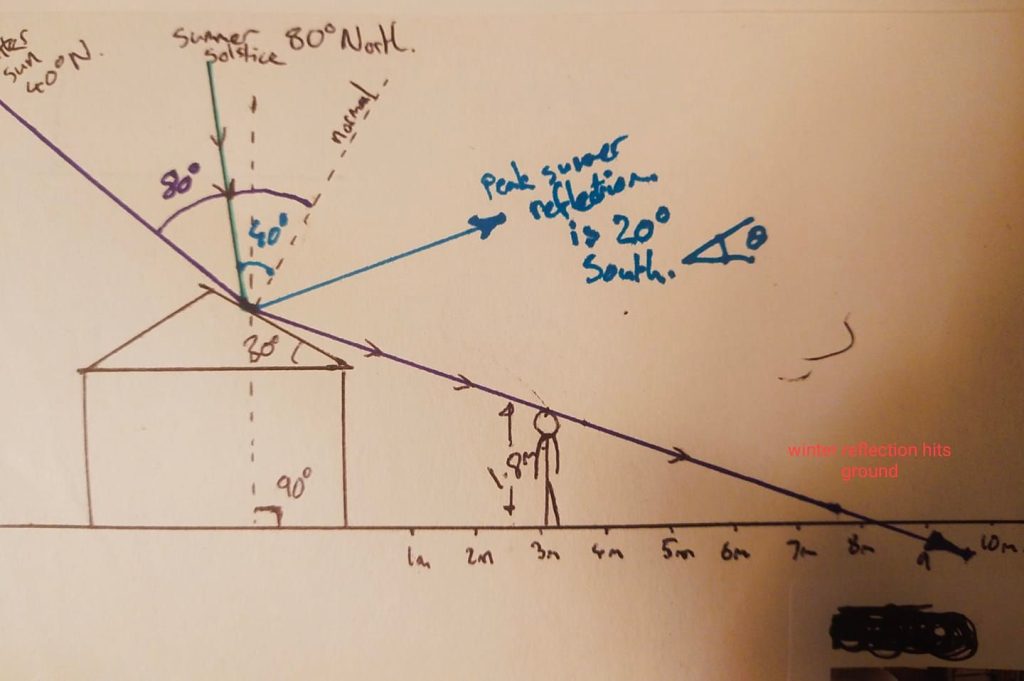
Answer: the reflected light is above head hight, not from the ground. So it's not going to have that impact. Most reflection will be upward. because most roofs are pitched 20-35degrees , for close to half the year the angle of light reflected off a south facing roof would be hitting the ground some distance away (about 8-9 metres away in winter) similarly east and west (depends more on time of day) the only side of the roof that reliably reflects light back up into the sky is the north pitched side (which u want to cover with solar anyway). in winter the sun would be reflecting off the south facing roof and hitting a person's eyes from standing about 3.5 metres away from the eaves. to be clear, the majority of the sunlight is reflected upward, even in your scenario, rather than absorbed. Most of the lower reflection is likely to be absorbed or reflected. Comparing it to a fence is not a fair comparison, much like dunes etc.
I'm not saying it won't occur at all, just that it is a very minor issue that will be more than offset by the reduced heat gain.
materiality has a greater impact on thermal transfer than colour
materiality has a greater impact on thermal transfer than colour. If these cronies found out they'd ban terracotta and concrete roof tiles (because they remain hot, even after the sun has gone down, meaning a higher total energy transfer per day than a darker coloured metal roof). Perhaps to much to go into here, but stupidly simple bans like this are a joke and serve no purpose but to restrict choice.
Answer: we should also look at better materials beside just colour. Black roofs do contribute towards a hotter micro climate.
In Australia we have mostly the freedom to do stupid things like having black roof tiles. But in Australia most people still have the right to remain stupid.
colour is not the majority factor determining total heat flow
colour is not the majority factor determining total heat flow into a roof space over 24 hrs. I'm an energy assessor so we deal with these issues everyday, but it seems it's easier to say black is hotter therefore ban it, before any real professional judgments are made. Certainly in older homes colour makes a difference, but if your building a quality new home with high insulation and ventilated roofing and cladding, makes no difference whatsoever. Try telling that to bureaucrats though, very frustrating. The article above mentions some very low efficiency gains, without seeing their modelling I can't verify it, but the original University of Newcastle study was much more in depth. You may be right, but I wouldn't implement blunt policy- the question is not how to reduce the heat island effect, but why it is a problem in the first place- that will lead to answers in urban design, green areas, build quality too as you mention, but there's no need to dictate colours, just a distraction from the real issues.
Answer: Study what about the heat island effect though? I saw an article where they were literally painting the roads white in some areas surely black roofs would have an effect on that and when you say build quality Build quality is pretty slack it’s far as I can see. I attended a zoom meeting about a year ago that presented recent research on roof colour. I can’t remember who did the research. Will update when I find it.
They looked at roof colour, rating of ceiling insulation and roof lining insulation.
The findings were that during hot days the heat absorbed by the black roofs overwhelmed the insulations, regardless of the type or rating and resulted in much higher internal temperatures.
Also the roof temperatures were too hot to safely allow access for repairs and maintenance.
If I were building a new house I would certainly err on the side of safety by selecting a very light colour.